


The Next Evolution of Digital Identity Management: Cloud Phones, Mobile Fingerprints, and Phone Farm Technology in 2026
Introduction
The way businesses manage online identities is changing rapidly.
For years, browser fingerprint technology became one of the most important solutions for creating isolated digital environments, managing multiple browser profiles, and improving operational flexibility. However, the digital world has become increasingly mobile-first.
Today, many major platforms are accessed primarily through mobile applications. User activity, device behavior, app environments, and mobile signals have become important parts of the modern digital identity landscape.
This shift is creating a new generation of identity management technology:
Cloud Phones
Mobile Fingerprints
Phone Farm Technology
Together, these technologies represent the next evolution of digital identity management — moving beyond browser-only environments toward complete device-based ecosystems.
As part of this industry evolution, MarketerBrowser is preparing new capabilities that expand beyond traditional browser fingerprint management with upcoming Cloud Phone solutions, Mobile Fingerprint updates, and Phone Farm Box technology.
The Evolution of Digital Identity Management
Digital identity management has gone through several major stages.
Stage 1: Browser-Based Identity Management
The first generation focused on browser environments.
Fingerprint browsers introduced the ability to create isolated profiles with different browser characteristics, including:
Browser fingerprints
Cookies
User agents
Screen settings
Languages
Time zones
Storage environments
This helped businesses manage different online workflows without mixing browser identities.
However, modern platforms have continued evolving.
Stage 2: Mobile Identity Management
The internet has moved from desktop-first to mobile-first.
Platforms such as social networks, communication apps, and content platforms are heavily optimized for smartphones.
Mobile environments include additional identity signals:
Android system information
Device models
App environments
Mobile hardware characteristics
Touch interactions
Application behavior
A browser profile alone does not represent the complete digital environment anymore.
This creates demand for mobile fingerprint technology.
Stage 3: Complete Digital Environment Management
The future of identity management combines multiple layers:
Browser Identity + Mobile Identity + Network Identity + Intelligent Management
Instead of managing only browser profiles, businesses are moving toward complete digital environments.
This is where cloud phones and phone farm technology become important.
What Is Cloud Phone Technology?
A cloud phone is a virtual Android device hosted on remote infrastructure.
Instead of using physical smartphones, users can access Android environments through the cloud.
Each cloud phone can provide its own:
Android environment
Device configuration
Application space
Storage
Settings
Network connection
Cloud phones provide many advantages compared with maintaining large numbers of physical devices.
They allow organizations to create, manage, and scale mobile environments more efficiently.
Why Cloud Phones Are Becoming Important
1. Mobile Applications Are the New Digital Workspace
Many online activities now happen inside mobile applications.
Examples include:
Social platforms
Messaging applications
Content platforms
Mobile marketplaces
Business applications
Because applications operate differently from browsers, businesses increasingly need solutions that understand mobile environments.
Cloud phones provide a foundation for managing these mobile workflows.
2. More Complete Device Environments
Traditional browser fingerprint technology focuses on browser-level information.
Cloud phones expand the environment by adding:
Operating system information
Device profiles
Application environments
Mobile interaction capabilities
This creates a more complete representation of a digital device.
3. Easier Scaling Without Physical Hardware
Managing many physical smartphones creates challenges:
Hardware costs
Device maintenance
Storage requirements
Manual configuration
Cloud phone technology provides a more flexible infrastructure for organizations that need multiple mobile environments.
What Are Mobile Fingerprints?
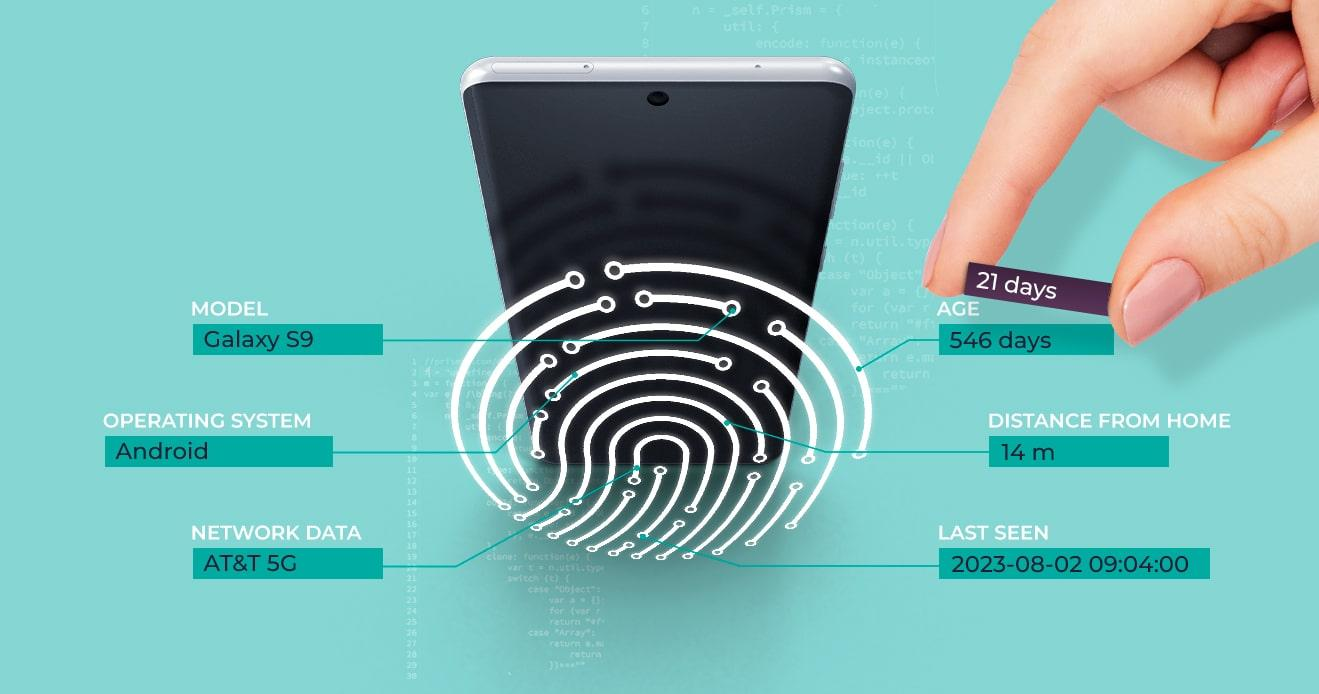
Mobile fingerprints are a way of identifying and managing characteristics of mobile devices.
A mobile environment contains many elements beyond a browser:
Operating system details
Device model information
Screen characteristics
App environment
Hardware-related signals
Mobile fingerprint technology focuses on managing these device-level attributes.
As mobile platforms continue becoming more sophisticated, mobile identity management will become an increasingly important part of digital operations.
The Role of Phone Farm Technology
Phone farms represent another important development in mobile identity infrastructure.
A phone farm is a system designed to manage multiple mobile devices or mobile environments from a centralized setup.
Modern phone farm solutions can help organizations:
Manage multiple devices
Organize mobile environments
Scale operations
Reduce manual device management
The next generation of phone farms is expected to combine:
Cloud technology
Mobile fingerprint management
Remote device control
Intelligent automation
MarketerBrowser's Vision for the Future
MarketerBrowser has always focused on helping users manage isolated digital environments through advanced fingerprint technology.
As the market evolves, digital identity management is expanding beyond browsers.
The next generation requires a broader approach:
Browser Fingerprints
Managing isolated browser environments.
Mobile Fingerprints
Managing mobile device identities.
Cloud Phones
Providing scalable Android environments.
Phone Farm Technology
Creating flexible mobile infrastructure.
Together, these technologies create a more complete digital identity ecosystem.
The Future of Anti-Detect Technology
The future is not simply about hiding fingerprints.
It is about building reliable, flexible, and manageable digital environments.
Future identity management platforms will likely combine:
Anti-detect browser technology
Cloud computing
Mobile device simulation
AI-powered management
Advanced automation systems
Businesses will need solutions that work across both desktop and mobile ecosystems.
Conclusion
Digital identity management is entering a new era.
Browser fingerprint technology created the foundation for isolated online environments. Cloud phones, mobile fingerprints, and phone farm technology are now expanding that foundation into the mobile world.
In 2026 and beyond, successful digital operations will require more than browser profiles. They will require complete, scalable, and intelligent digital environments.
With upcoming Cloud Phone capabilities, Mobile Fingerprint updates, and Phone Farm Box technology, MarketerBrowser is preparing for the next generation of digital identity management.
The future is moving from managing browsers to managing complete digital ecosystems.